
Lipsync AI: How to Choose the Best Tool for Multilingual Video
AI-powered lipsync technology has changed how video content is produced, localized, and shared worldwide. Whether it’s a marketing team adapting ads for different countries, an e-learning company translating courses, or influencers reaching new audiences, lip-sync tools let creators automatically match a video’s lip movements with new languages and voices.
Platforms like Vozo have helped break global barriers by combining speech synthesis, voice cloning, and real-time facial movement generation into seamless, scalable solutions. This article answers key questions about AI lipsync: how it works, what tools are available, what to look for, and the common pitfalls to watch out for.
Key Takeaways
- Lipsync AI automatically matches lip movements to new language tracks, enabling videos to be localized and understood worldwide.
- Top lipsync AI tools like Vozo, Dzine AI, and HeyGen combine speech synthesis, voice cloning, and real-time facial animation for high-quality results.
- When selecting a lipsync AI solution, prioritize language support, voice realism, integration, and turnaround speed for professional video projects.
- Lipsync AI reduces localization costs, speeds up content delivery, and helps maintain consistent brand messaging across markets.
- Look for features such as emotion-aware lipsync, real-time processing, and automated quality checks to ensure the best output from lipsync AI platforms.
Chapters
- AI Lipsync: Making Videos Speak Any Language
- Top 8 AI Lipsync Tools 2026
- Types Available
- Benefits and Considerations
- How Long Does Lipsync AI Processing Take?
- What Should I Look for in Lipsync AI?
- How to Choose Lipsync AI Tools
- Latest Trends and Technology
- Frequently Asked Questions about Lipsync AI
AI Lipsync: Making Videos Speak Any Language
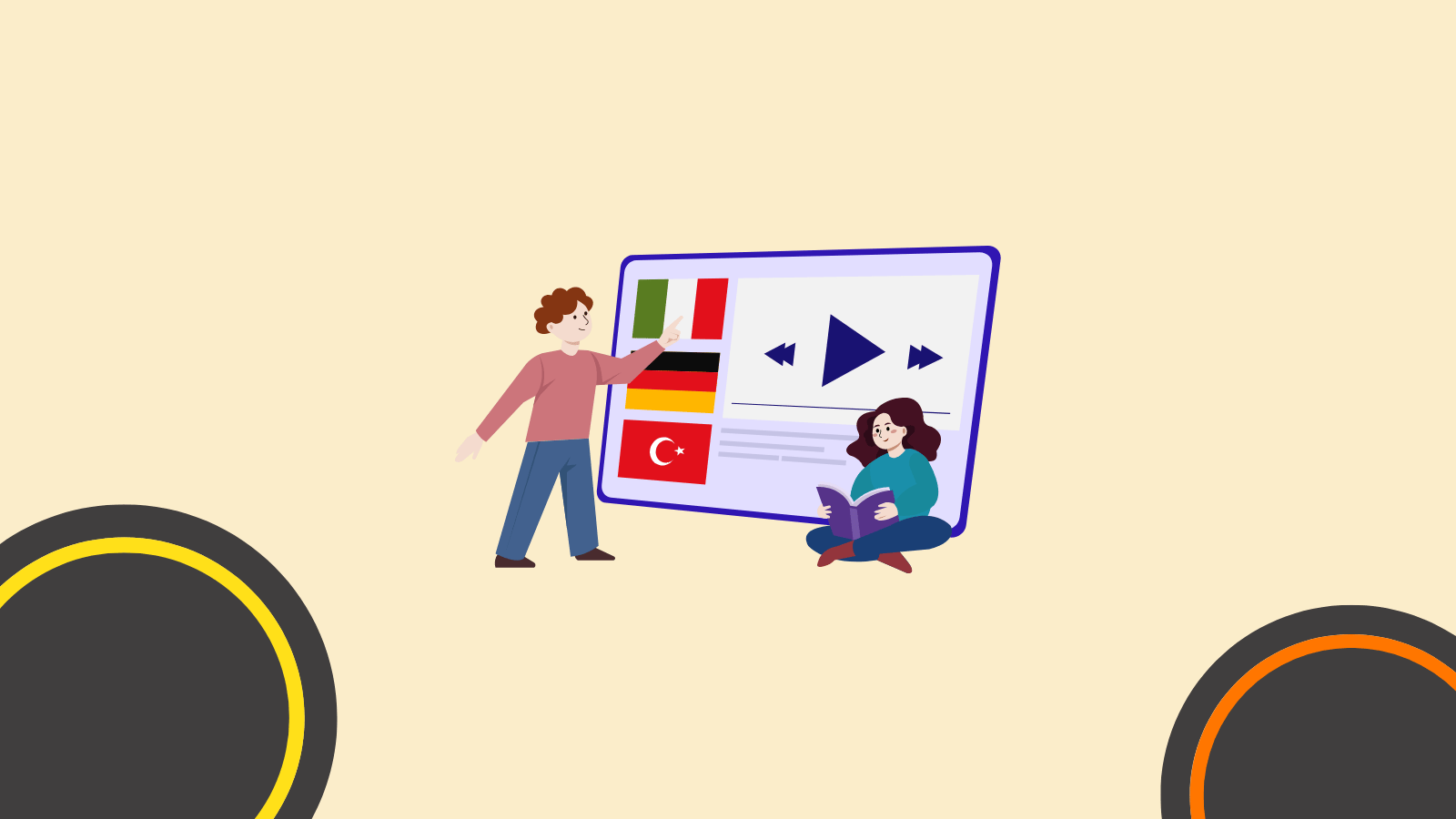
Lipsync AI uses artificial intelligence to analyze a speaker’s mouth movements in a video and then adjusts those movements to match a new voice track, often in a different language. This means you can take a video recorded in English and make the on-screen speaker convincingly appear to speak Spanish, French, Mandarin, and beyond.
This process relies on neural networks trained on large video and audio datasets. By mapping the relationship between speech sounds (phonemes), mouth shapes (visemes), and timing, the AI can generate accurate lip movement frames that correspond to the dubbed audio.
Vozo, for example, integrates lipsync AI into its video translation workflow. After a video is translated and dubbed using realistic text-to-speech or voice cloning, Vozo’s lipsync engine ensures the speaker’s mouth and facial movements match the new audio. This approach helps global brands, educators, and creators deliver content that feels natural to viewers in their own language, without the uncanny valley effect often seen in manual dubbing.
Top 8 AI Lipsync Tools 2026
Looking for the best way to automate lipsync for your multilingual video projects? Here are eight standout AI lipsync platforms to consider in 2026:
1. VOZO AI
Business: Vozo AI
Spokesperson: CY Zhou
Position: Founder and CEO
Phone: N/A
Email: cy@vozo.ai
Location: 440 N Wolfe Rd, Sunnyvale, CA 94085, USA
Website: vozo.ai
Vozo offers end-to-end video localization services that integrate lipsync AI, voice cloning, and neural text-to-speech. Users can upload existing videos, choose languages, and receive fully dubbed, lip-synced clips. Its advanced algorithms maintain emotion, timing, and natural facial expressions.
2. Dzine AI
Dzine AI focuses on enterprise video workflows and supports hundreds of languages. Its lipsync module can be used with its AI-generated avatars for marketing, training, and social content.
3. Pixverse
Pixverse automates lipsync for animation and live-action videos. The tool’s motion transfer system allows precise control over facial features, which is useful for film and television teams aiming for high realism.
4. Dreamina Omnihuman
Dreamina Omnihuman offers specialized tools for creating virtual humans, with an emphasis on hyper-realistic lipsync and talking digital avatars.
5. Higgsfield
Higgsfield uses generative AI models to instantly lip-sync audio onto video faces, targeting social video creators who need quick, shareable content.
6. HeyGen
HeyGen combines AI video translation, virtual avatars, and emotion-aware lipsync to produce content for marketing, explainer videos, and e-learning.
7. Sync.so
Sync.so’s lipsync engine is built for speed and batch automation, handling large content libraries for platforms with hundreds or thousands of videos.
8. LipSync.pro
LipSync.pro is a cloud-based solution tailored for video production teams needing custom lipsync controls, supporting both automated and manual adjustment.
Types Available
AI lipsync tools generally fall into two broad categories:
- Automated Lipsync for Voiceover/Dubbing: These systems take an existing video and new audio (from dubbing or voice cloning) and use AI to alter the speaker’s lip movements. This is the most common approach for e-learning, global social campaigns, and dubbed films.
- Virtual Avatars and Talking Heads: Here, the AI animates a digital avatar or static photo based on a new audio track. This is useful for character-driven brand content, remote learning avatars, or creating digital presenters without live actors.
Vozo covers both types, offering full video transformation as well as avatar-based solutions for different industries.
Benefits and Considerations
AI-powered lipsync brings clear benefits:
- Scalability: Convert large video libraries into multiple languages faster than traditional dubbing teams.
- Cost Efficiency: Reduce manual labor, voice actor costs, and post-production time.
- Brand Consistency: Keep the same spokesperson, character, or brand voice across all geographies and campaigns.
- Accessibility: Make educational, public service, and promotional content understandable for audiences with different languages or disabilities.
But there are also key considerations:
- Accuracy: Even the best AI is only as good as the source video and audio quality. Poor lighting or noisy voice tracks can hinder alignment.
- Emotion Transfer: Preserving emotion and tone in translated voice tracks is essential for believability. Platforms like Vozo use voice cloning and advanced prosody modeling to address this.
- Privacy & Rights: If using real likenesses or voices, always have proper rights and permissions for the people featured.
- Output Quality: Some AI tools struggle with extreme facial angles, group scenes, or low-res footage. Test with your actual content for best results.
How Long Does Lipsync AI Processing Take?

In most cloud-based platforms, processing a short video (1–5 minutes) with full lipsync can take between a few minutes and half an hour. Vozo’s pipeline is designed for speed: simple translation/lipsync requests can often be turned around in several minutes, while longer or high-res footage may take up to an hour.
Bulk or enterprise jobs (dozens or hundreds of videos) are typically managed with automated batch processing and may run overnight, depending on server load and available computing resources. The total time often depends on video resolution, file size, the number of languages, and whether you need extra steps like voice cloning or custom neural voices.
What Should I Look for in Lipsync AI?
When choosing a lipsync AI solution for professional video or business needs, keep these questions in mind:
- Language Support: Does the platform handle all target languages?
- Voice Quality: Are synthesized voices realistic, expressive, and suited to your audience? Vozo offers options for both cloned and stock voices that sound natural.
- Lipsync Realism: How natural and accurate are the AI’s mouth/facial movements, especially for emotional or fast-paced dialogue?
- Integration: Is the tool easy to combine with your preferred video editors or cloud storage systems?
- Turnaround Time: How fast can you expect finished videos, and does it fit your production schedule?
- Security & Rights Management: Does the provider ensure secure handling of source videos and respect likeness rights?
Review demos and, if needed, request a test project before fully committing.
How to Choose Lipsync AI Tools
Start by defining your core needs:
- Content Type: Are you localizing filmed talent, creating avatar presenters, or bulk-converting animation?
- Volume: Will this be for a handful of important projects or hundreds of short videos?
- Budget: Consider the total cost, including voiceover, translation, and rendering fees.
- Workflow Integration: Some platforms, like Vozo, offer simple APIs or direct export to editing tools. Others may require more technical setup.
- Support and Customization: If you need custom voices, advanced privacy, or 24/7 support, check which providers can accommodate.
Always request sample outputs with your own footage to gauge real-world performance before committing to a long-term deal.
Latest Trends and Technology
Lipsync AI has advanced rapidly in the last year, with several notable trends:
- Emotion-Aware Lipsync: New systems detect tone and emotion in speech and map that onto facial animation, avoiding the robotic look of early tools.
- Real-Time Processing: Some solutions now support real-time or near-instant lipsync, perfect for live events and streaming. Vozo is piloting real-time localization for webinars and live e-learning.
- Multilingual Voice Cloning: Providers like Vozo focus on accurate cross-language voice cloning, so the translated voice preserves the original speaker’s style and emotion.
- Automated Quality Assurance: AI checks for desyncs or visual errors before delivering rendered videos.
- Hardware Acceleration: Platforms are tapping GPU/cloud acceleration to process large jobs quickly, cutting wait times for enterprise clients.
Keep an eye out for these as you evaluate lipsync providers in 2026.
Frequently Asked Questions about Lipsync AI
What is lipsync AI and how does it work?
Lipsync AI is technology that uses artificial intelligence to align a speaker’s mouth movements in video with a new voice track, often in a different language. Neural networks analyze the relationship between speech and mouth shapes to generate realistic lip movements that match the dubbed audio.
What are the main benefits of using lipsync AI for video localization?
Using lipsync AI offers scalability, cost efficiency, brand consistency, and increased accessibility. It allows for rapid conversion of video content into multiple languages while preserving the original speaker’s style, making content more inclusive and effective across global markets.
How long does lipsync AI processing take?
Processing a short video (1–5 minutes) with lipsync AI typically takes from a few minutes up to half an hour on cloud platforms. Longer or higher-resolution videos may require up to an hour, with larger batch jobs managed automatically, possibly overnight.
What should I look for when choosing a lipsync AI tool?
Important criteria include language support, voice quality, lipsync realism, integration with existing workflows, security, turnaround time, and rights management. Requesting a sample output with your own content is recommended before making a decision.
Can lipsync AI be used for live events or streaming?
Yes, recent advances in lipsync AI allow for real-time or near-instant processing, enabling applications in live webinars, virtual events, and streaming. Some platforms, such as Vozo, are piloting real-time localization features for these needs.
Are there any common pitfalls or challenges with using lipsync AI?
Challenges include ensuring high-quality source video and audio for optimal results, accurate emotion transfer in translations, privacy and rights management, and limitations when dealing with extreme facial angles or low-resolution footage. Testing platforms with actual content is advisable.
Other Interesting Articles
- AI LinkedIn Post Generator
- Gardening YouTube Video Idea Examples
- AI Agents for Gardening Companies
- Top AI Art Styles
- Pest Control YouTube Video Idea Examples
- Automotive Social Media Content Ideas
- AI Agent for Plumbing Business
- Plumber YouTube Video Idea Examples
- AI Agents for Pest Control Companies
- Electrician YouTube Video Idea Examples
- AI Agent for Electricians
- How Pest Control Companies Can Get More Leads
- AI Google Ads for Home Services
Master the Art of Video Marketing
AI-Powered Tools to Ideate, Optimize, and Amplify!
- Spark Creativity: Unleash the most effective video ideas, scripts, and engaging hooks with our AI Generators.
- Optimize Instantly: Elevate your YouTube presence by optimizing video Titles, Descriptions, and Tags in seconds.
- Amplify Your Reach: Effortlessly craft social media, email, and ad copy to maximize your video’s impact.
The post Lipsync AI: How to Choose the Best Tool for Multilingual Video appeared first on StoryLab.ai.
Deixe um comentário